● Historical Origins
Hunan is located in the middle reaches of the Yangtze River, featuring a humid, rainy climate with four distinct seasons. The province boasts criss‑crossing rivers, vast fertile farmlands and lush mountain forests, yielding an abundance of natural produce. The Dongting Lake area is rich in aquatic products and water‑grown crops such as fish, shrimp, water caltrops, lotus roots and fox nuts. The Xiangjiang River basin abounds in rice, chili peppers and various seasonal vegetables. The mountainous areas of western Hunan supply wild mushrooms, bamboo shoots, wild herbs, free‑range chickens and native pigs and other eco‑friendly ingredients. Such exceptional natural endowments have provided a steady supply of high‑quality raw materials for the development of Hunan cuisine. Historically, Hunan’s food culture dates back to ancient times. During the Pre‑Qin period, the people of the Chu state had already developed the dietary custom of “valuing delicate flavours and favouring pungent aromas”. They preferred spicy, de‑odourising and rich savoury tastes, which laid the primitive foundation for Hunan cuisine. After the Qin and Han dynasties, Central Plains culinary culture spread to Hunan and merged with local folk food traditions, gradually diversifying cooking techniques. In the Tang and Song dynasties, Hunan enjoyed thriving commerce and frequent culinary exchanges between the north and the south. Hunan cuisine evolved from ordinary home‑style dishes into more refined fare. The Ming and Qing dynasties marked a crucial phase for the formation of Hunan cuisine. After chili peppers were introduced to Hunan in the late Ming Dynasty, they quickly adapted to the local humid climate and became deeply integrated into daily diets. They replaced earlier pungent ingredients such as Chinese prickly ash and ginger, and became the soul of Hunan cuisine. From the late Qing Dynasty to modern times, as prominent Hunan‑born figures emerged and Hunan merchants rose to prominence, Hunan cuisine spread beyond its home region. Through continuous refinement and innovation, it grew into a well‑established culinary system with distinctive flavours.
● Three Major Flavor Schools
Hunan features complex terrain with striking differences between plains, lake regions and mountainous areas, which has given rise to distinctive regional dietary styles across the province. Hunan cuisine is broadly divided into three schools: the Xiangjiang River School, the Dongting Lake School and the Western Hunan Mountain School. Each boasts its own unique characteristics, and they complement one another.
1.the Xiangjiang River School
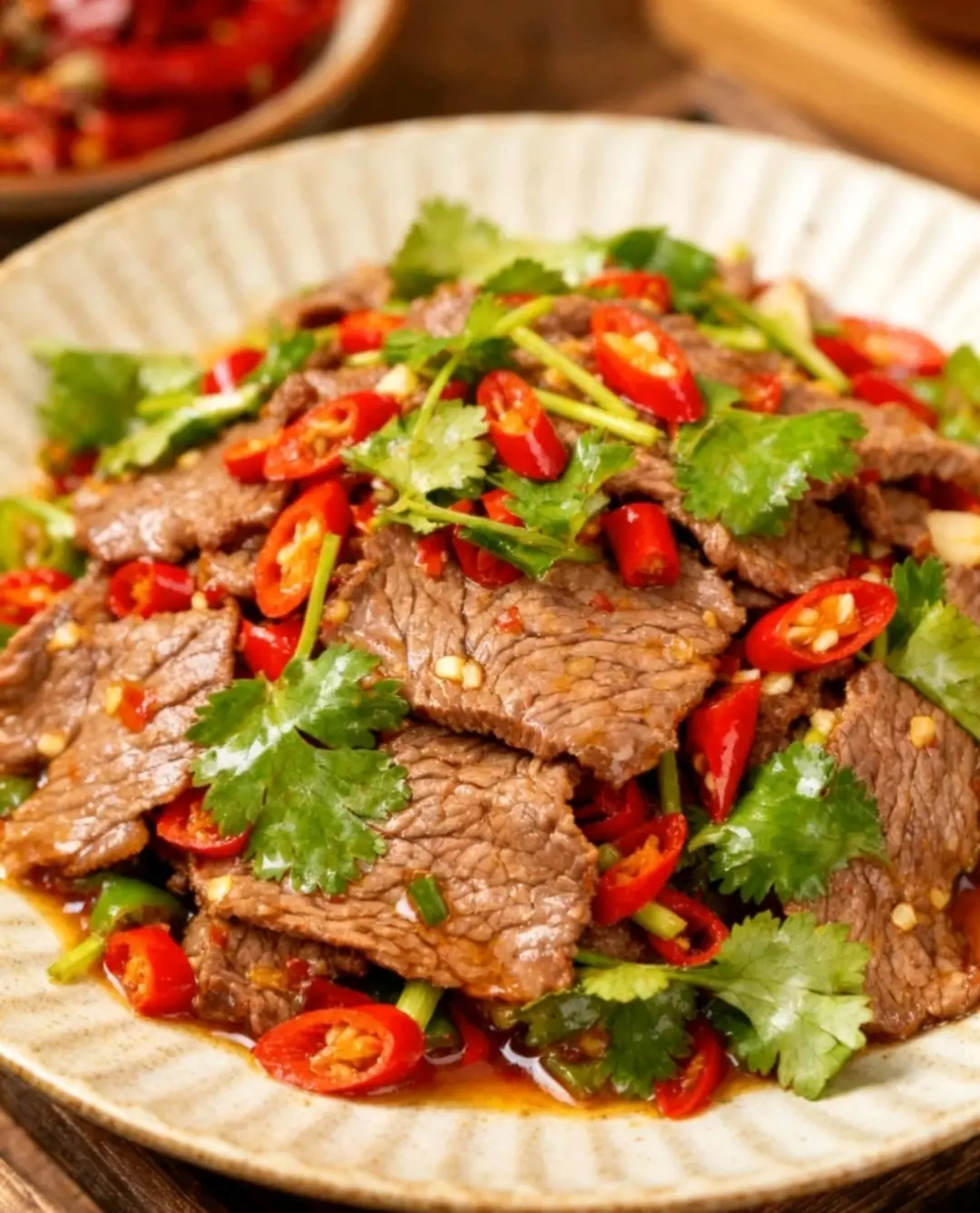
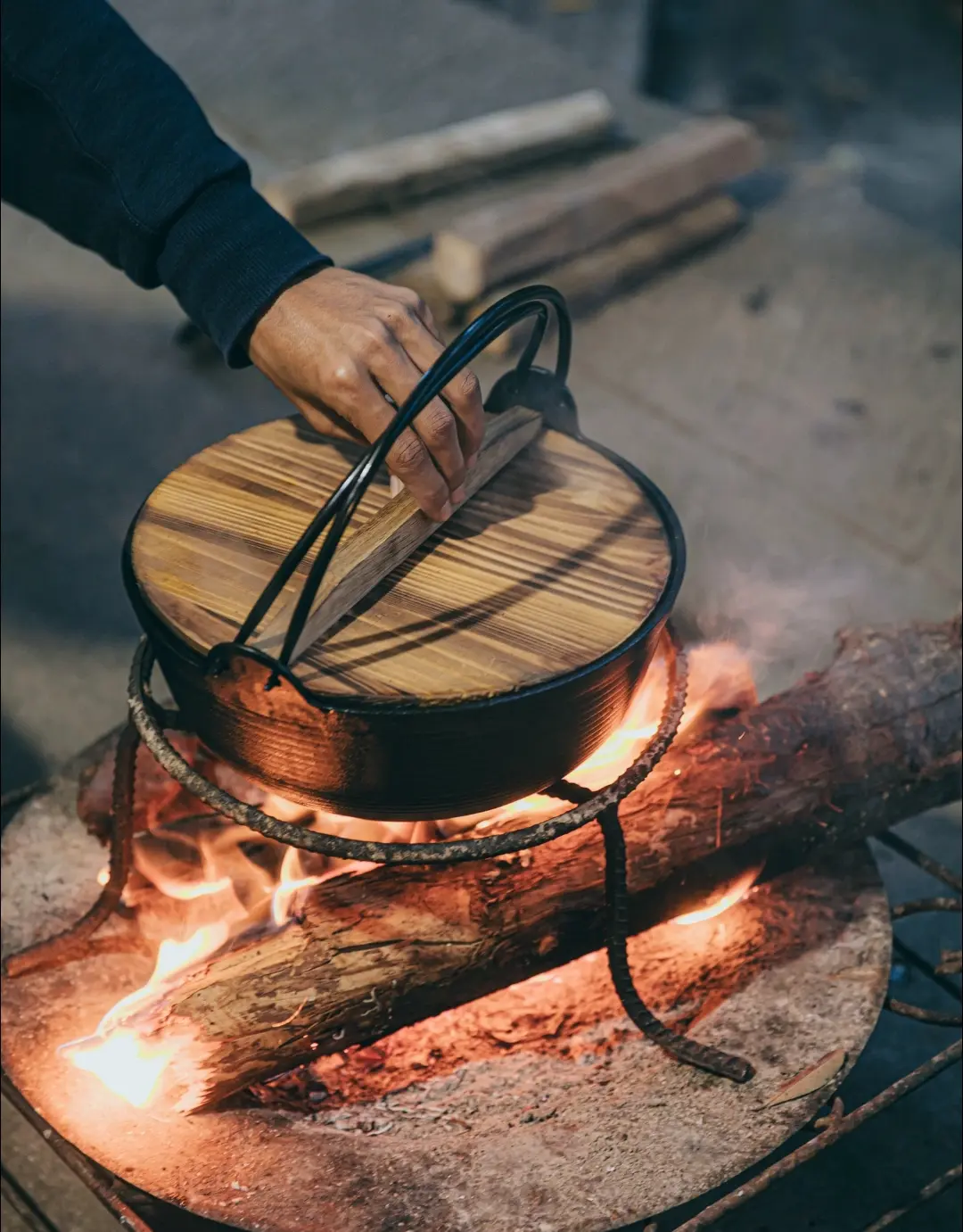
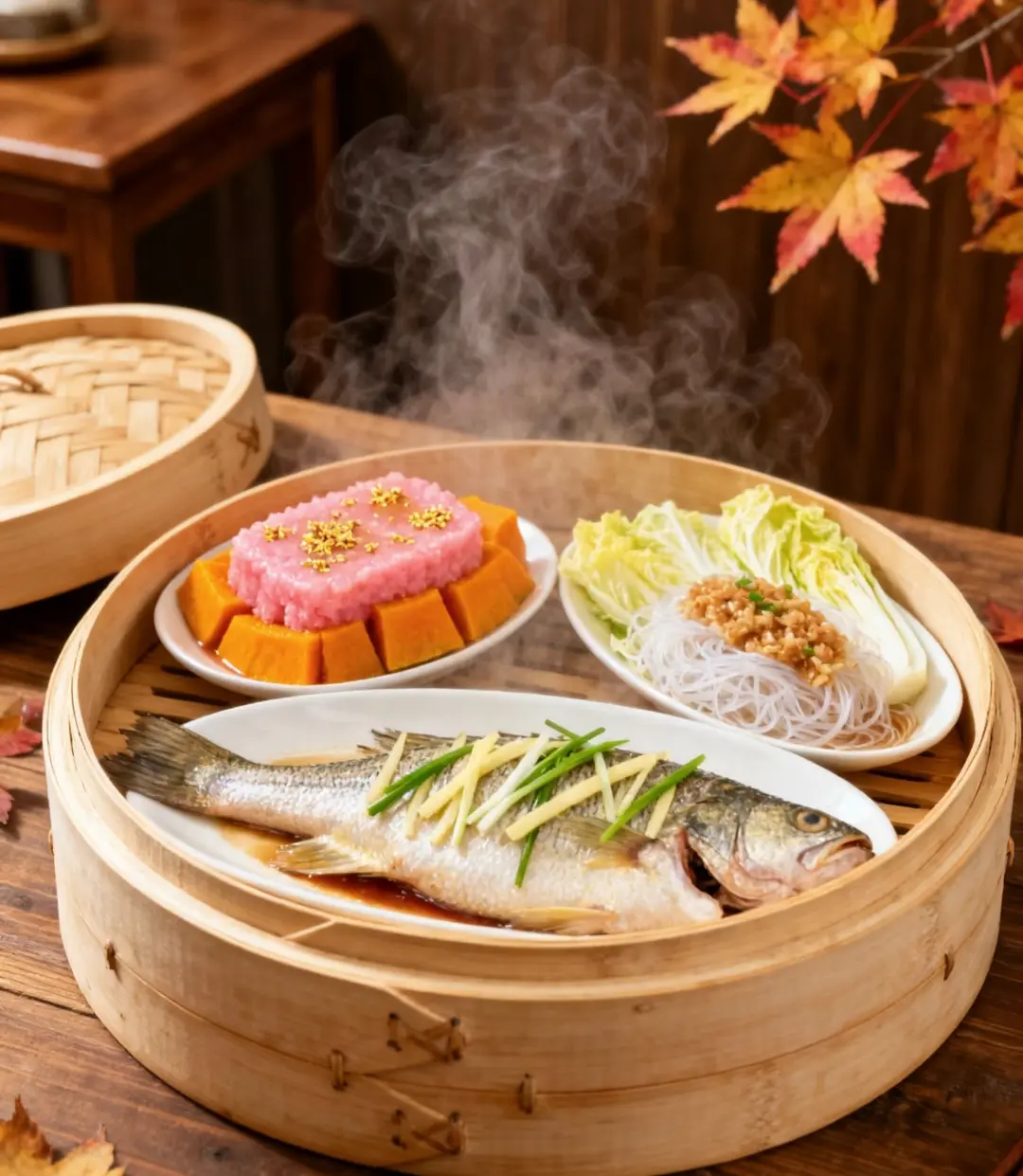
As the core mainstream of Hunan cuisine, the Xiangjiang River School caters to urban dining and banquet occasions. It is characterized by meticulous preparation, authentic spicy‑aromatic flavours, heavy oil and rich colour. Its primary cooking techniques include stir‑frying, braising, stewing and steaming. Great attention is paid to heat control, aiming for a balance of freshness, fragrance, spiciness and tenderness. Instead of pursuing extreme pungency, its taste features mellow spiciness with a lingering aftertaste, suiting general palates. This is the birthplace of classic Hunan dishes, with numerous signature specialties. Steamed fish head with chopped chili boasts bright red colour and tender fish meat, infused with fresh spicy flavours. Stir‑fried pork with chili is hailed as the “national Hunan dish”. Local green chilies are stir‑fried with well‑marbled native pork, creating an incredibly savoury dish through simple cooking. It is a staple home‑cooked meal in every Hunan household. Besides, stir‑fried yellow beef with chili, stir‑fried cured pork with garlic sprouts, Mao‑style braised pork, Ningxiang‑style snake, Hengyang fish rice noodles and other delicacies are representative dishes of the Xiangjiang River School, blending everyday homely charm with elegant banquet‑worthy flavours.
2.the Dongting Lake School
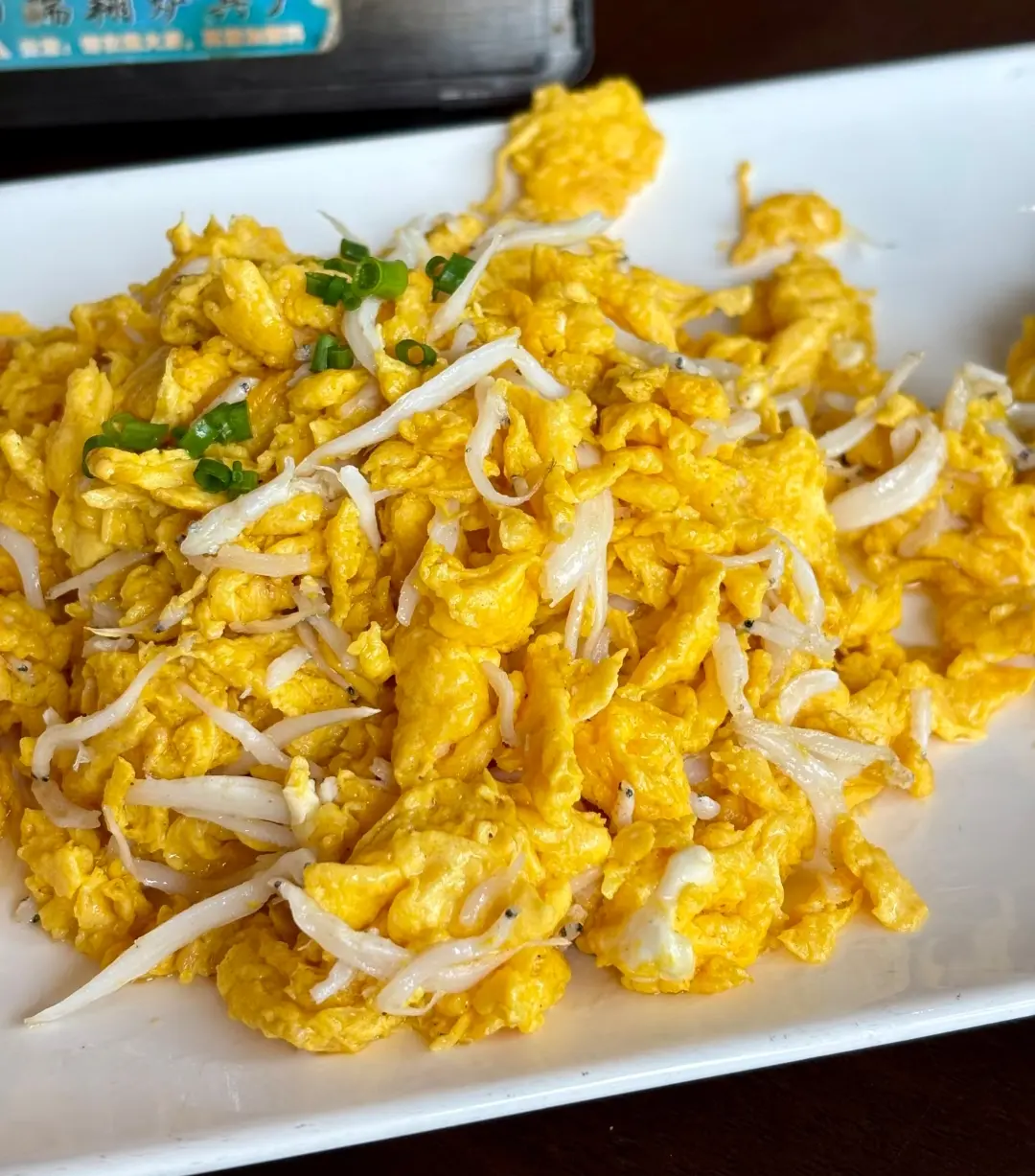
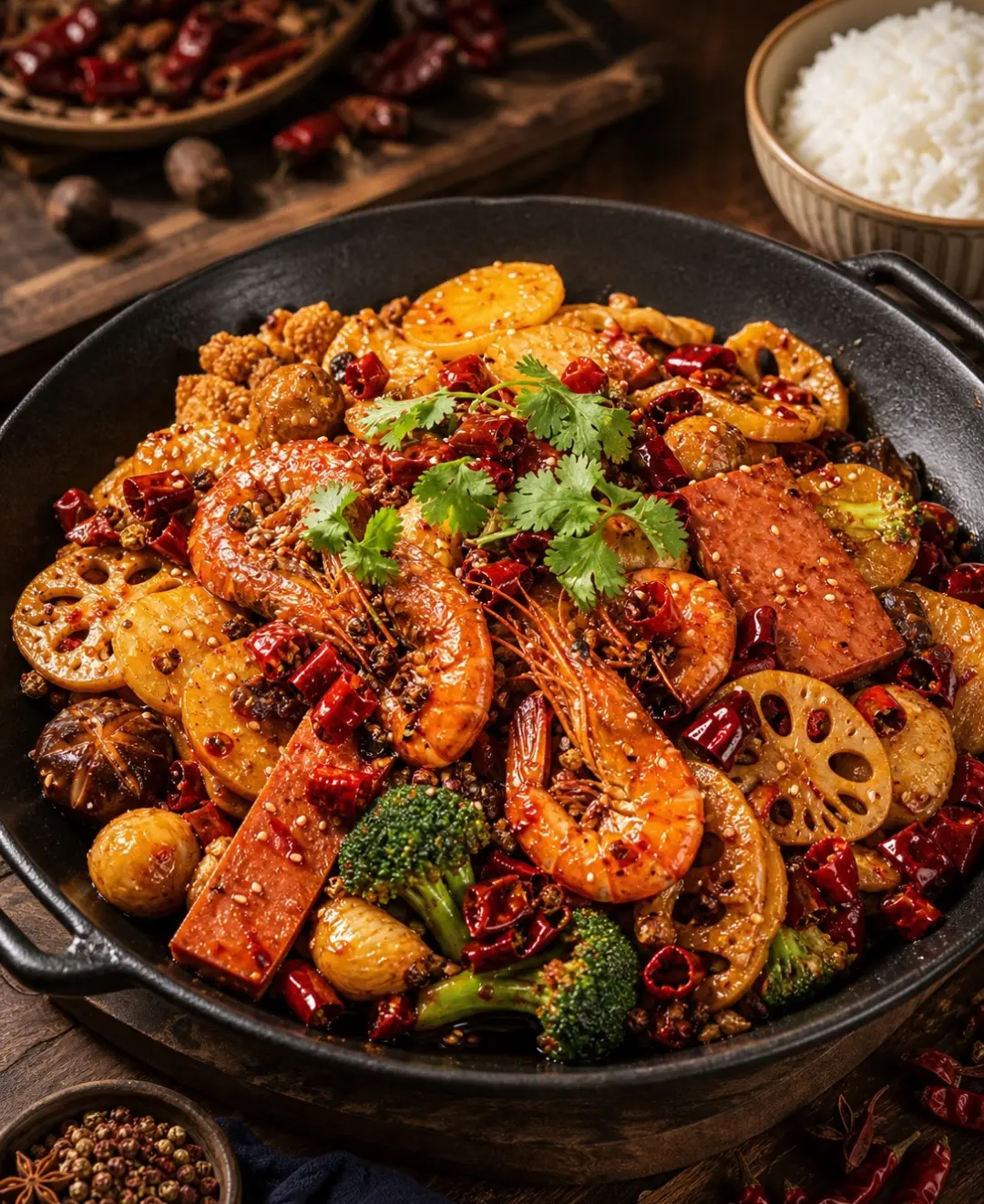
Drawing on the abundant aquatic resources of Dongting Lake, the Dongting Lake School centres on river‑fresh ingredients, defined by salty‑fresh, mildly spicy flavours and original tastes. Local people embody the dietary wisdom of “living off the water”. Cooking practices prioritize preserving the natural sweetness of aquatic produce. Specializing in steaming, blanching, stewing and dry‑pot cooking, it avoids heavy seasonings to highlight the intrinsic flavour of ingredients. Its signature dishes are highly characteristic of the lake region. Scrambled eggs with Dongting whitebait are tender, smooth and sweet‑savory. Whitebait has no bones and is nutritious and delicious. Changde stone‑pot fish, Yueyang ginger‑spicy snake, Yiyang Datong Lake hairy crabs and boiled live fish enjoy wide renown. Another hallmark of lake‑area cuisine is its skill in curing and air‑drying aquatic products. Air‑dried fish, cured fish and dried whitebait, when simply prepared, deliver a distinct savoury aroma, making them essential winter‑autumn delicacies for the lake region. Meanwhile, the area boasts a variety of coarse‑grain snacks, such as lotus root starch, water caltrop cakes and brown‑rice glutinous rice cakes, fully reflecting the unique food culture of this water town.
3.the Western Hunan Mountain School
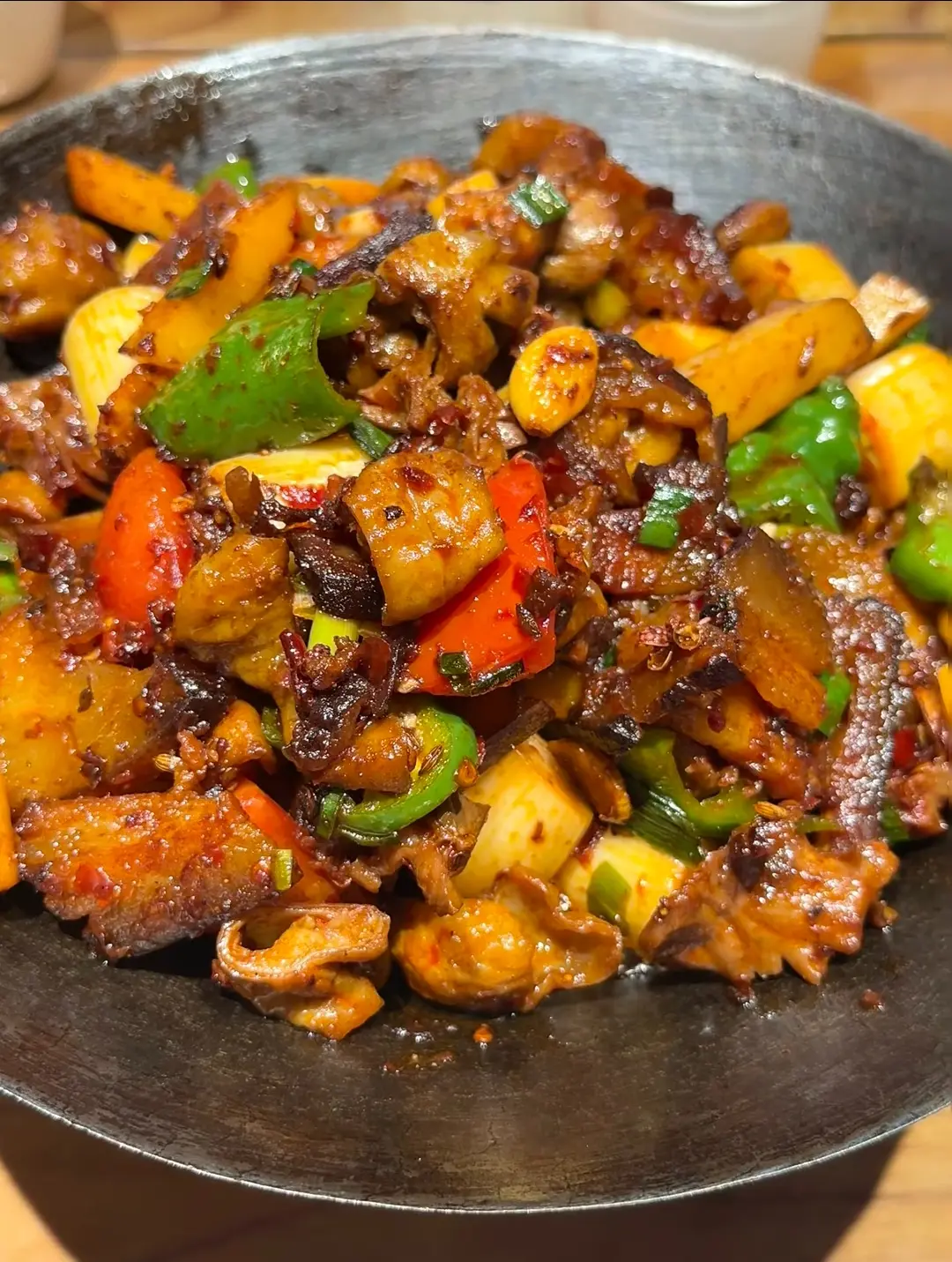
Western Hunan is covered by deep mountains and dense forests with a humid climate. To ward off cold and dampness and prolong food preservation, local people have developed a dietary style marked by rich sour‑spicy flavours, smoked cured goods and simple mountain‑grown ingredients. It is the most distinctive and original branch of Hunan cuisine. Unlike the spicy‑aromatic taste of the Xiangjiang River School, western Hunan favours sour‑spicy and smoky flavours with bold, intense tastes and strong mountain‑region vibes. People in western Hunan excel at curing, pickling and fermenting ingredients. Cured pork, cured sausages, cured chicken and cured fish are must‑make foods for every household in autumn and winter. Wood‑smoked cured meats carry a unique charred aroma, being rich yet not greasy and more flavourful with every chew. The signature dish, Grandma’s Pickled Vegetables of Western Hunan, is stir‑fried from a mix of wild herbs and pickled vegetables, savoury and appetizing. Sour‑soup fish, stir‑fried shredded pork with sour radish, Western Hunan blood‑cake duck and mugwort glutinous rice cakes are all made through fermentation and pickling. The sour‑spicy flavour helps dispel mountain dampness, while smoked cured meats meet the need for food storage in mountainous areas — this is the local people’s dietary wisdom of adapting to nature.
● Core Dietary Features: No meal without chili, original flavour comes first
1.Diverse types of spiciness with distinct layers
The Xiangjiang River School features fragrant spiciness: chili brings out the aroma of oil and ingredients, delivering spiciness without harshness. The Dongting Lake School is defined by fresh spiciness, where heat accentuates the sweet‑savory flavour of river produce. The Western Hunan Mountain School is characterized by sour‑spicy and smoky spiciness. Sourness cuts through greasiness, while smoke adds depth of fragrance, resulting in rich and lingering heat. Hunan cooks skillfully use local chili varieties such as thread chili, bird’s‑eye chili, chopped chili, pickled chili and dried chili to suit different dishes, achieving a unique flavour for each dish and a distinct spicy note in every recipe.
2.Rich oil and vibrant colour, heat control is paramount
Hunan cuisine emphasizes high‑heat quick stir‑frying and fast‑fire sauce reduction, which locks in ingredients’ moisture and umami to the greatest extent. Dishes feature bright red gloss and thick, rich sauces with thoroughly infused flavours. Different from the numbing‑spicy taste of Sichuan cuisine and the dry spiciness of Yunnan and Guizhou cuisines, Hunan cuisine has no numbing sensation and highlights rich fragrance, centering on pure fresh spiciness.
3.Versatile combinations of meat and vegetables, simple and homely flavours
Hunan cuisine rarely adopts elaborate plating or fancy cooking techniques. Its ingredients are mostly everyday produce from farming, animal husbandry and fishery, and its cooking methods are straightforward and uncomplicated. Whether served at high‑end banquets, street stalls or family dining tables, it fully displays the down‑to‑earth charm of Hunan, reflecting the practical and simple life ethos of Hunan people.
4.Cooking Technique Features
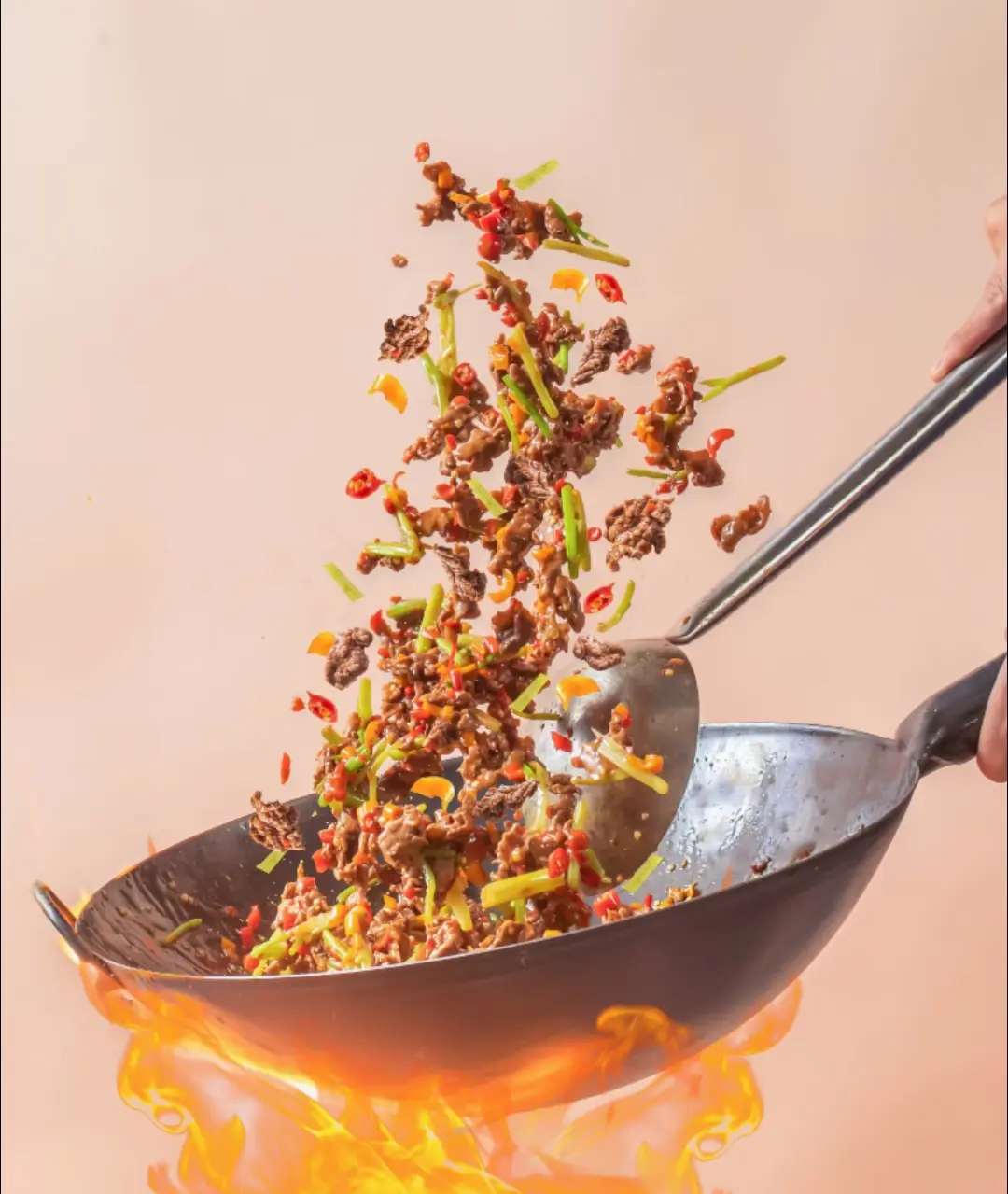 小炒
小炒
 煨炖
煨炖
 蒸
蒸
 干锅
干锅
5.Preference for mild bitterness
Bitter melon and fermented black beans were recorded as early as the Pre‑Qin period. They are well‑suited to the hot and humid climate of southern China.
● Staple Foods, Snacks and Folk Dietary Customs
Staple Foods
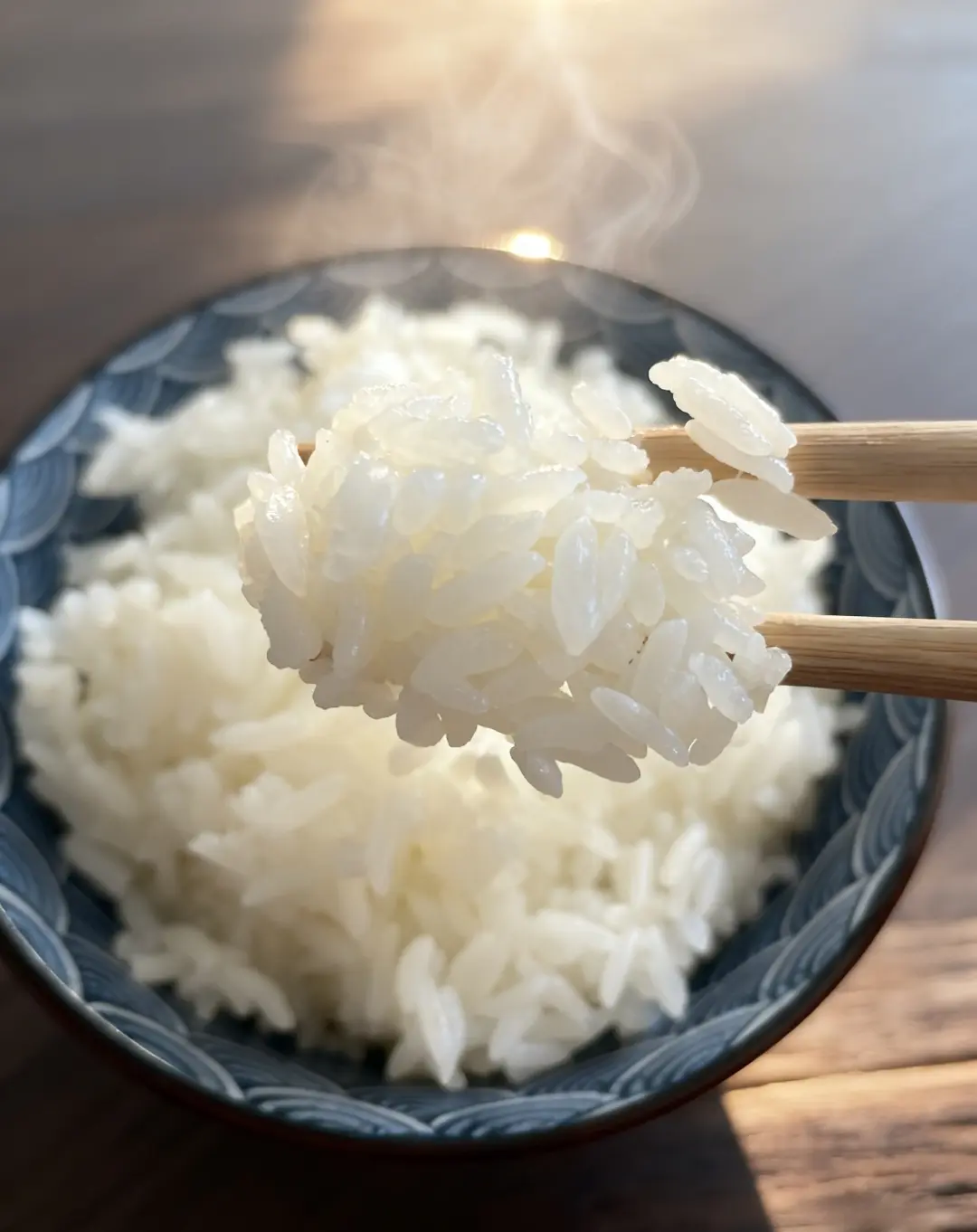
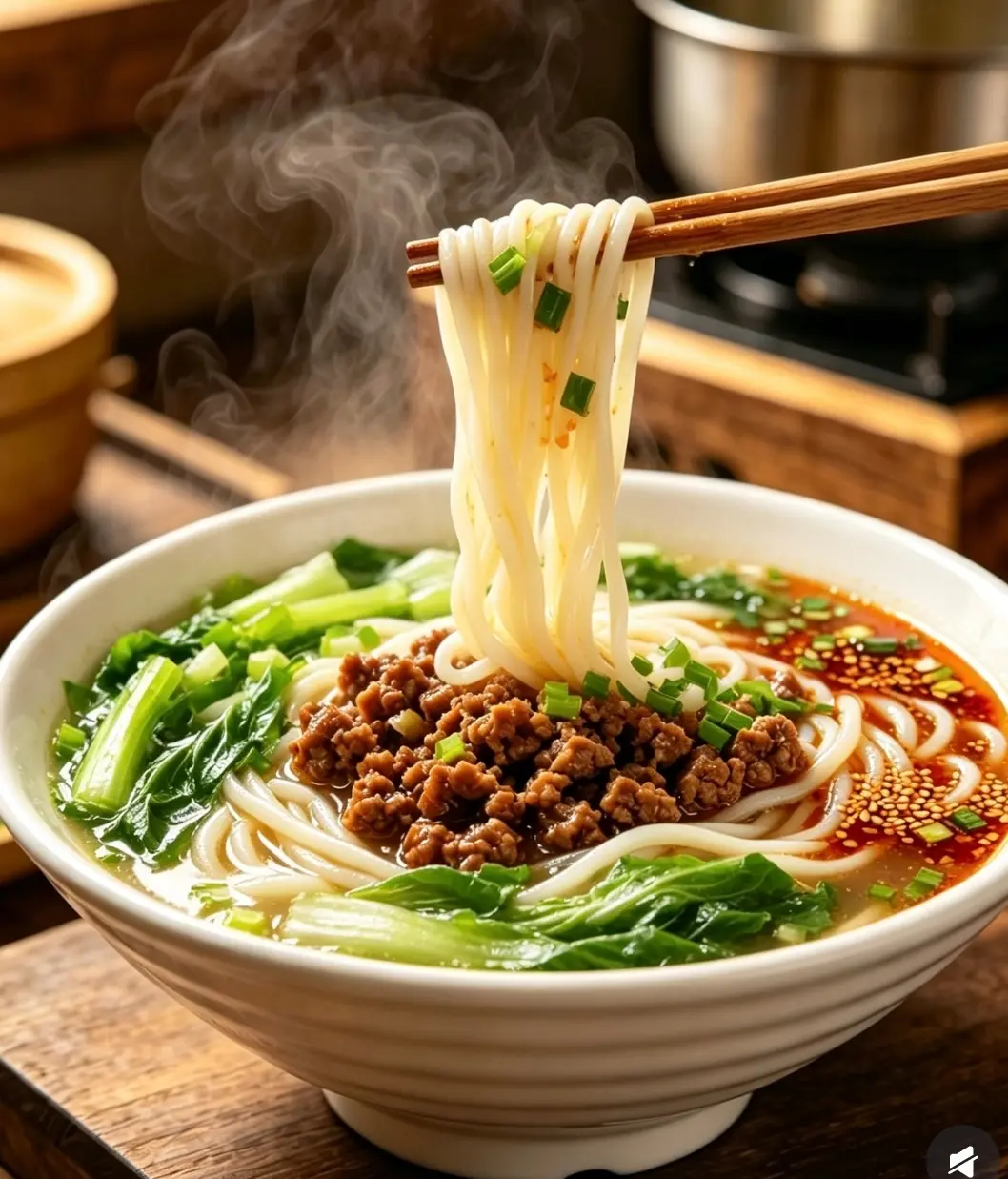
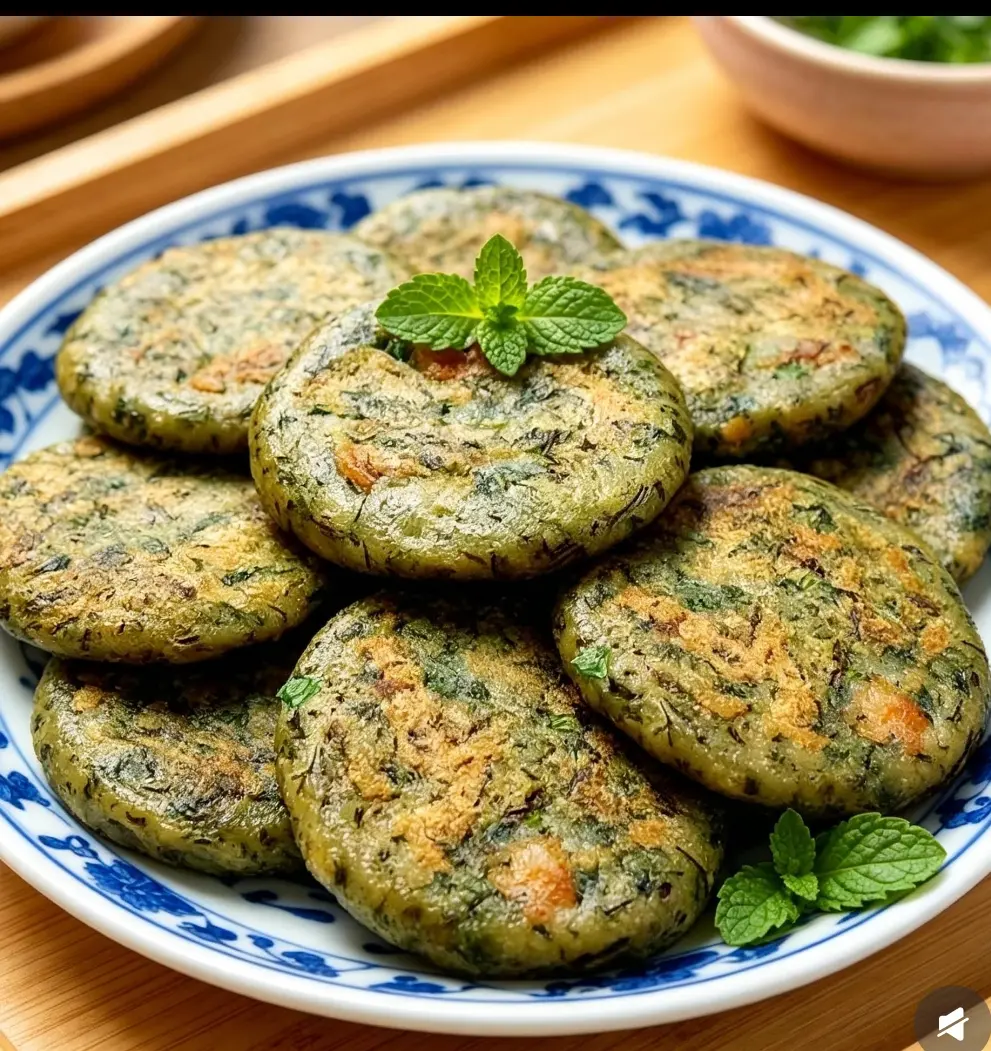
Rice is the primary staple. Rice noodles are a daily urban staple, represented by Changsha rice noodles and Jinshi beef rice noodles from Changde. Soup rice noodles and stir‑fried rice noodles are widely popular. In mountainous areas, glutinous rice cakes and mugwort glutinous rice cakes are common local foods.
Classic Snacks
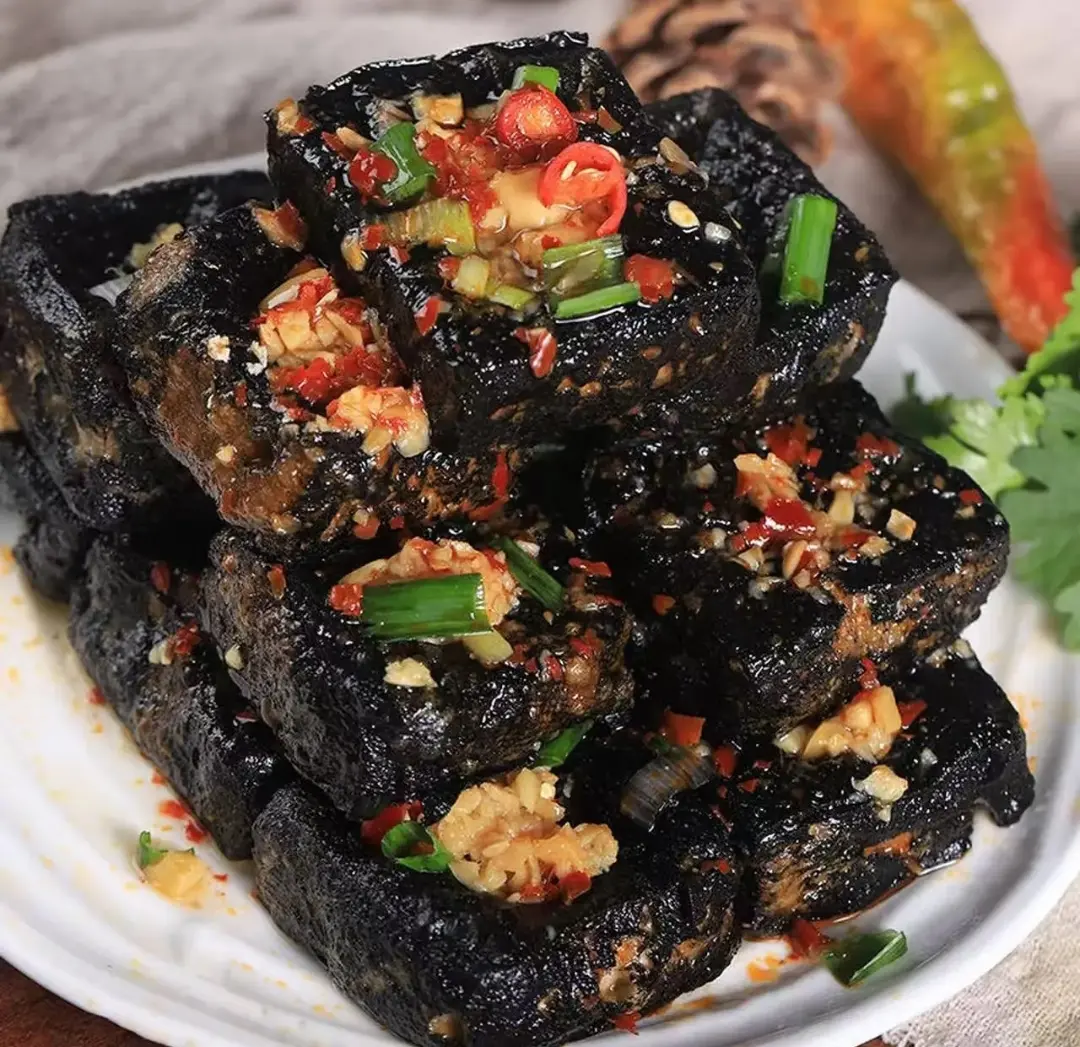
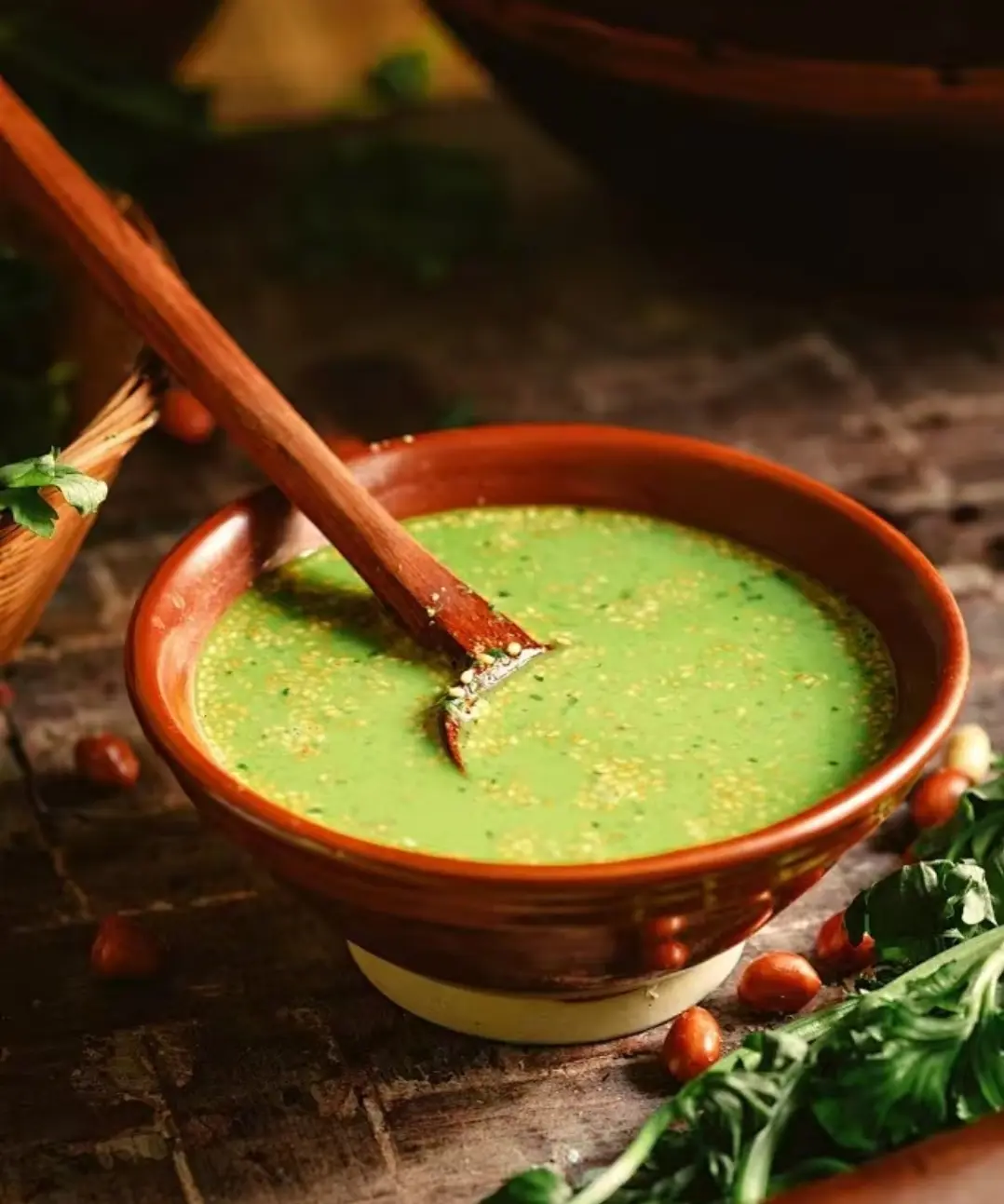
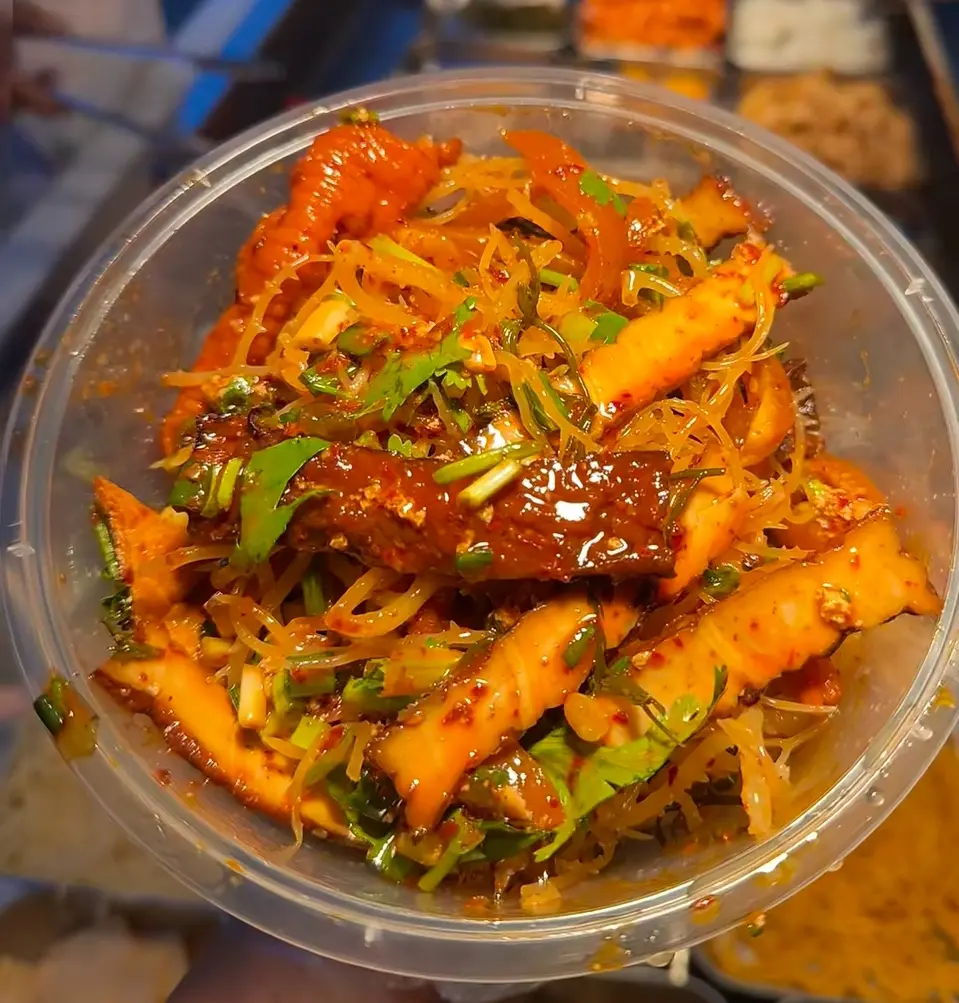
Changsha stinky tofu, sugar‑fried glutinous rice cakes, western Hunan rice tofu, Wugang marinated delicacies, Changde pounded tea and lamp‑wick cakes.
Folk Dietary Customs
Hunan’s food culture is deeply embedded in folk festivals, following the rhythm of the four seasons, with special delicacies for each traditional festival. These dishes carry local folk traditions and the warmth of family and nation. The Spring Festival is the most lavish time for Hunan cuisine. Before the festival, every household makes cured sausages, smokes cured pork, prepares meatballs and deep‑fried crispy pork. A family reunion dinner must include braised pork, whole fish and steamed mixed cured meats, symbolizing surplus year after year and prosperity for all. On the Lantern Festival on the 15th day of the first lunar month, sweet fermented‑rice glutinous rice balls are a must‑have. Soft, glutinous and sweet, they stand for happy family reunion. During the Qingming Festival, Hunan people pick fresh mugwort to make mugwort glutinous rice cakes. Blending the delicate fragrance of mugwort with the soft texture of rice flour, this seasonal spring treat is used for sacrificial rituals to honour ancestors. For the Dragon Boat Festival, besides eating zongzi and holding dragon‑boat races, many parts of Hunan observe customs of eating salted duck eggs and drinking realgar wine to ward off evil spirits and diseases and welcome the coming of summer. After the Start of Autumn, “adding autumn fat” is popular in western and northern Hunan. People eat cured meats and native chicken soup to nourish their bodies. As autumn brings dry weather, households pickle sour radishes and sour cowpeas to stimulate appetite and relieve dryness. On the Winter Solstice, it is a local custom to eat glutinous rice and stew mutton to warm the body and fend off the cold winter. In addition, Hunan’s ethnic minorities boast distinctive food traditions. Dishes such as hezha (soy‑bean paste stew), she‑festival rice, sour‑pickled fish and glutinous rice cakes from the Tujia and Miao peoples of western Hunan embody ethnic culinary wisdom and enrich the diverse dimensions of Hunan’s food culture.